Ben Schmitz · 15 September 2026
Rural Firing Operators Forge Cross-Community Networks to Tackle Material Shortages and Preserve Traditional Techniques
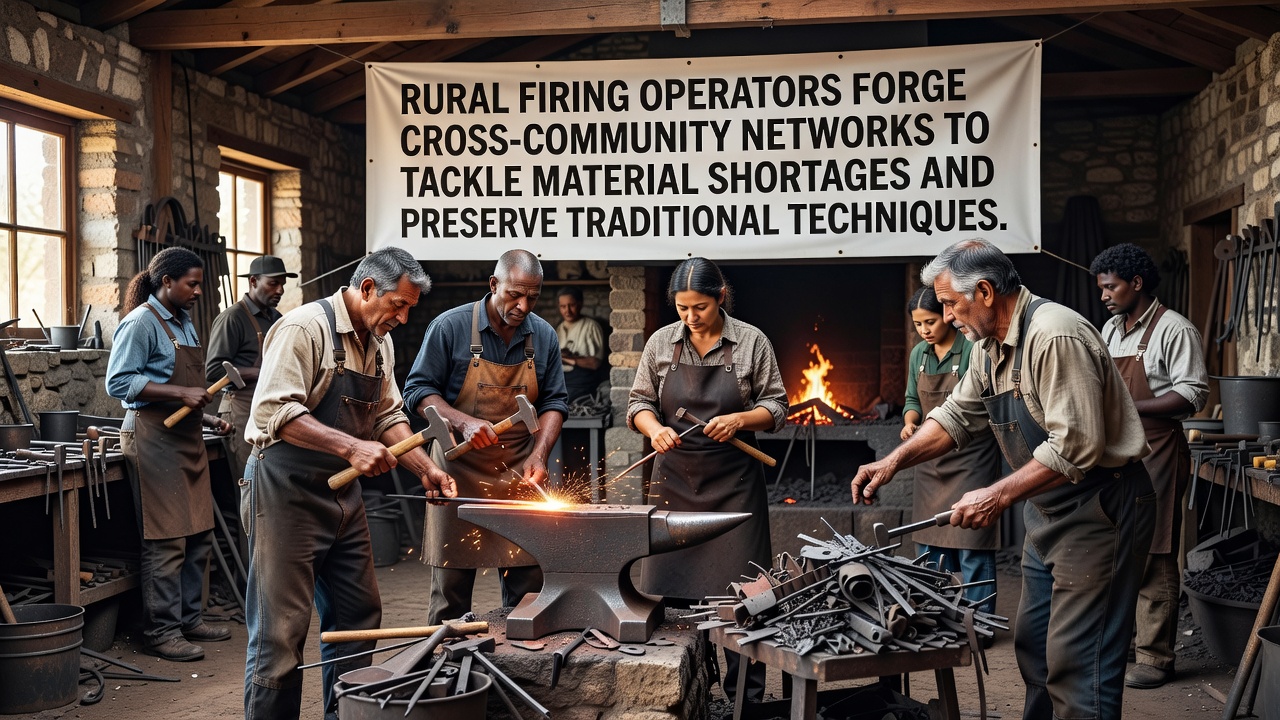
Rural firing operators across multiple regions have formed interconnected networks since early 2024 to address ongoing shortages in clay, fuel, and refractory materials while maintaining wood-fired and other traditional kiln methods. These groups coordinate resource sharing and knowledge exchange through regular meetings and digital platforms that connect isolated practitioners in the UK, parts of Europe, and North America. According to records from the International Ceramics Federation, participation in such networks has risen steadily with over 150 operators registered by mid-2025.
Material availability remains a core challenge because clay deposits in certain rural zones face extraction limits imposed by environmental regulations, and imported refractory bricks encounter supply chain delays. Operators report that fuel wood suitable for high-temperature firings has become harder to source locally due to competing demands from biomass energy projects. In response, networks establish barter systems where one community provides excess clay in exchange for kiln shelves from another region, reducing reliance on commercial suppliers.
Network Structures and Resource Sharing
Cross-community networks typically operate through regional hubs that meet quarterly, with a larger gathering scheduled for September 2026 in the Scottish Highlands to review progress on material stockpiling agreements. Participants map available resources using shared databases that track clay seam locations, wood lot yields, and kiln spare parts inventories. This approach allows operators in clay-poor areas to access materials from those with surplus deposits, while the latter gain access to specialized firing techniques developed elsewhere.
Data compiled by the European Centre for Ceramic Studies shows that coordinated networks have lowered average material procurement costs by 18 percent for member operators compared to independent sourcing. And these savings occur because bulk purchases through collective agreements bypass retail markups. Operators in Canada have adopted similar models through alliances with the Canadian Clay and Glass Gallery research division, exchanging data on frost-resistant clay bodies that perform well in variable climates.
Preservation of Traditional Firing Methods
Traditional techniques such as anagama and noborigama firing face pressure from modern efficiency standards, yet networks actively document and teach these methods to newer members. Experienced operators demonstrate stacking patterns that maximize heat circulation while minimizing fuel use, and they record temperature curves specific to local wood types. One study released by the University of New South Wales ceramics department found that shared documentation of these practices has increased successful firing rates among trainees by 22 percent over two years.
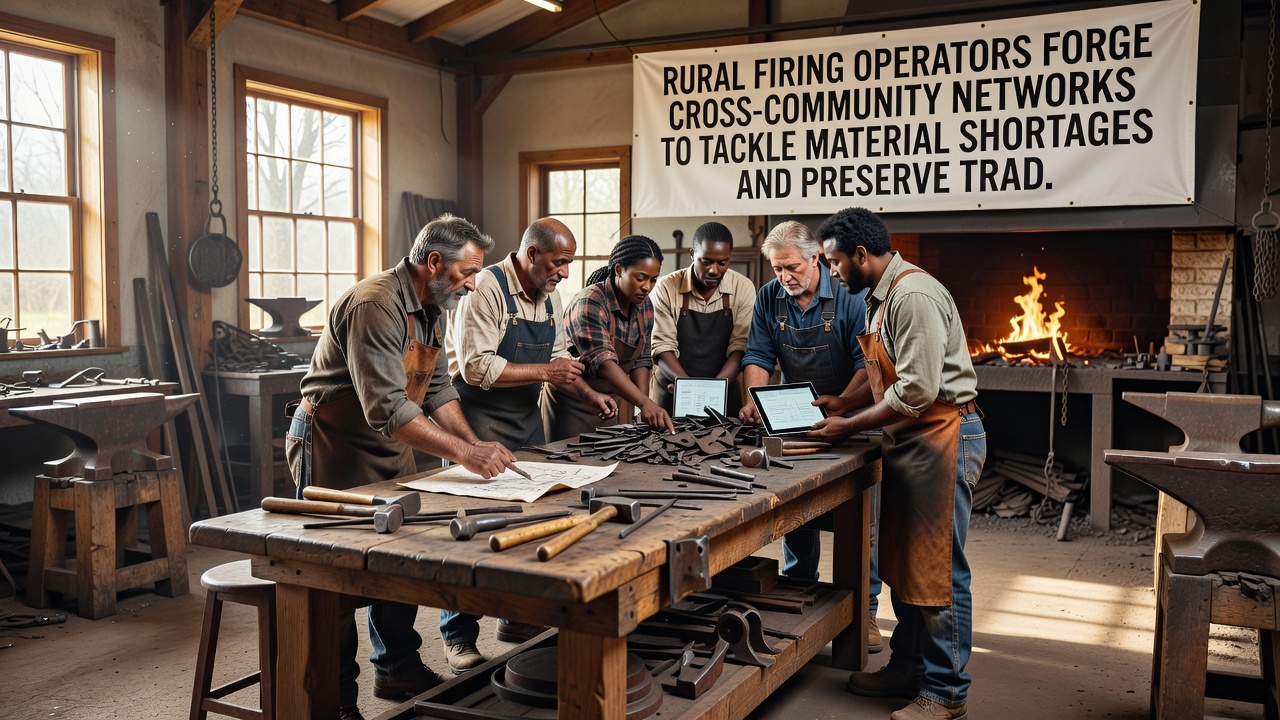
Knowledge transfer happens through hands-on workshops and archived video records that detail every stage from wood seasoning to post-firing cooling. Networks also experiment with hybrid approaches that incorporate limited modern insulation materials while retaining the core wood-firing process, allowing practitioners to meet emission guidelines without abandoning historical methods entirely. Observers note that these adaptations keep techniques viable even as regulatory environments evolve.
Challenges and Ongoing Adaptations
Despite progress, networks encounter logistical hurdles including transportation costs for heavy materials across long distances and varying legal requirements for cross-border clay movement. Some operators have responded by establishing satellite storage sites near regional borders, which cuts transit times and associated expenses. Research from the Australian National University indicates that such decentralized storage reduces spoilage rates for raw clay by up to 15 percent when proper humidity controls are applied.
Training programs within the networks focus on both technical skills and business practices, covering topics like permit applications for wood harvesting and record-keeping for shared resource pools. Participants exchange case studies from successful firings that balanced material constraints with aesthetic goals, providing concrete examples rather than abstract advice. This practical focus helps sustain membership engagement across different generations of operators.
Conclusion
Rural firing operators continue to expand their collaborative frameworks as material pressures persist into 2026 and beyond. Through structured resource exchange and technique documentation, these networks maintain access to essential supplies while safeguarding firing methods that have defined ceramic practice for centuries. The September 2026 gathering will likely serve as a checkpoint for evaluating how these systems scale to additional regions.